Echoes of the High Dolomites: Hiking Above the Clouds
Navigating legendary vertical limestone walls, solitary alpine refuges, and geological wonders formed in ancient seas.
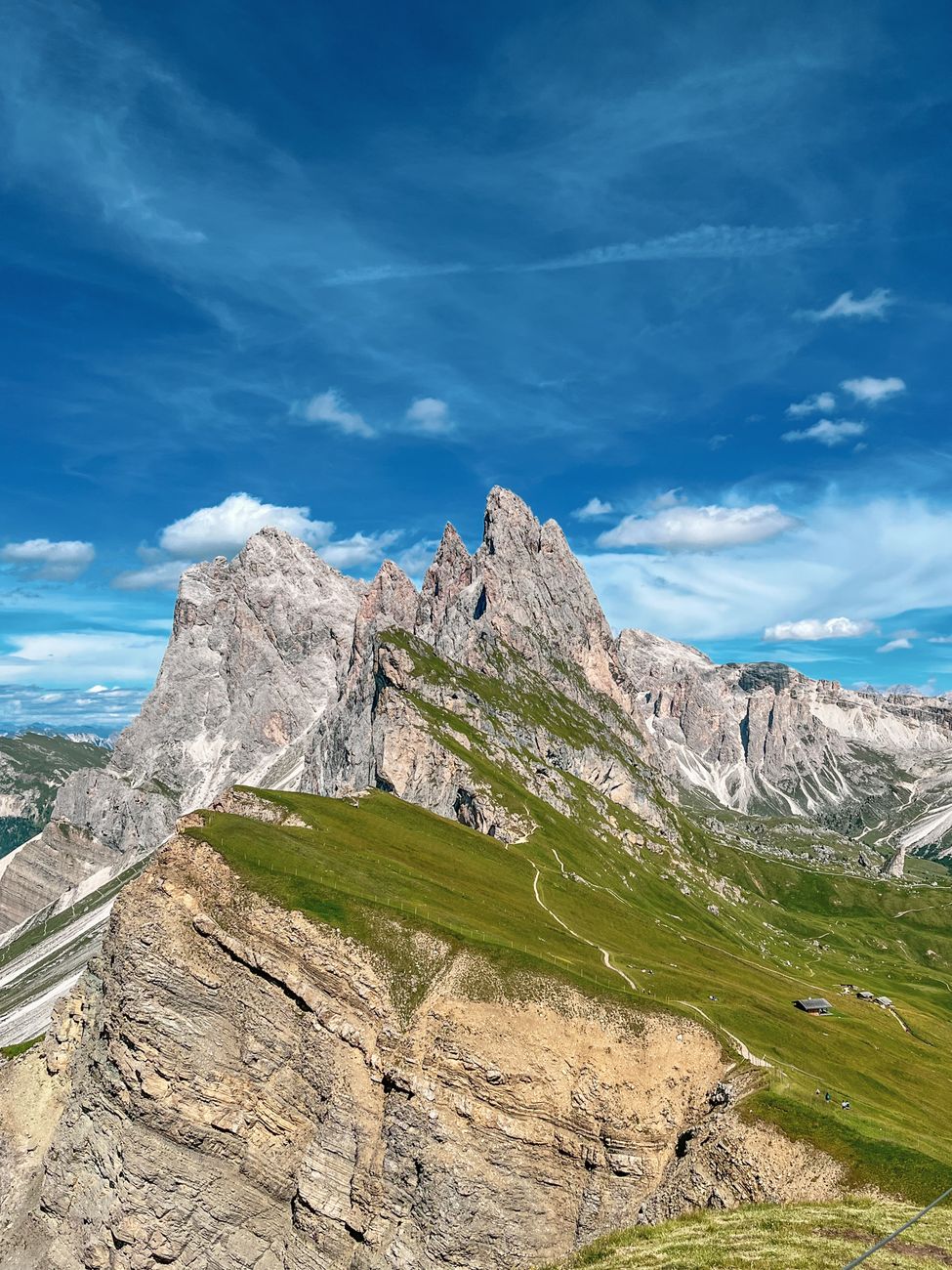
Two hundred and fifty million years ago, the jagged pinnacles of the Italian Dolomites were warm coral reefs submerged beneath the primordial Tethys Ocean. Today, they rise abruptly toward the sky, forming some of the most striking vertical landscapes on earth.
Hiking the Alta Via 1 in the shoulder season of late September is an exercise in austere majesty. As summer crowds recede and first dustings of snow settle upon high-altitude passes, the silence across the Val di Fanes becomes absolute. Here, the Ladin culture continues to shape culinary traditions and linguistic identity, offering warmth inside timber rifugios as temperatures dip below freezing outside.
"Above 2,500 meters, human pretension dissolves. You are a humble witness to geological epochs written in fossilized stone."
The Phenomenon of Enrosadira
One of the true miracles of these mountains occurs during dusk: the phenomenon known locally as Enrosadira. Because of magnesium-rich carbonate composition, the bare rock absorbs the dying rays of the sun, shifting through gradations of pale yellow, bright copper, and deep magenta before plunging into velvet indigo night. It is a spectacle that commands complete silence from everyone sitting on the wooden steps of Rifugio Lagazuoi.
Preparation and Respect for Alpine Terrain
High mountain environments require vigilant preparation. Even in mid-season, storms gather with rapid intensity across the mountain passes. Carrying proper topographic coordinates, layered windproof clothing, and observing marked trail indicators ensures personal safety while preserving fragile sub-alpine flora from erosion.