The Quiet Paths of Kyoto: A Meditation in Cedar and Stone
How to experience the serene soul of Japan's historic capital away from the throng of modern tourist buses.
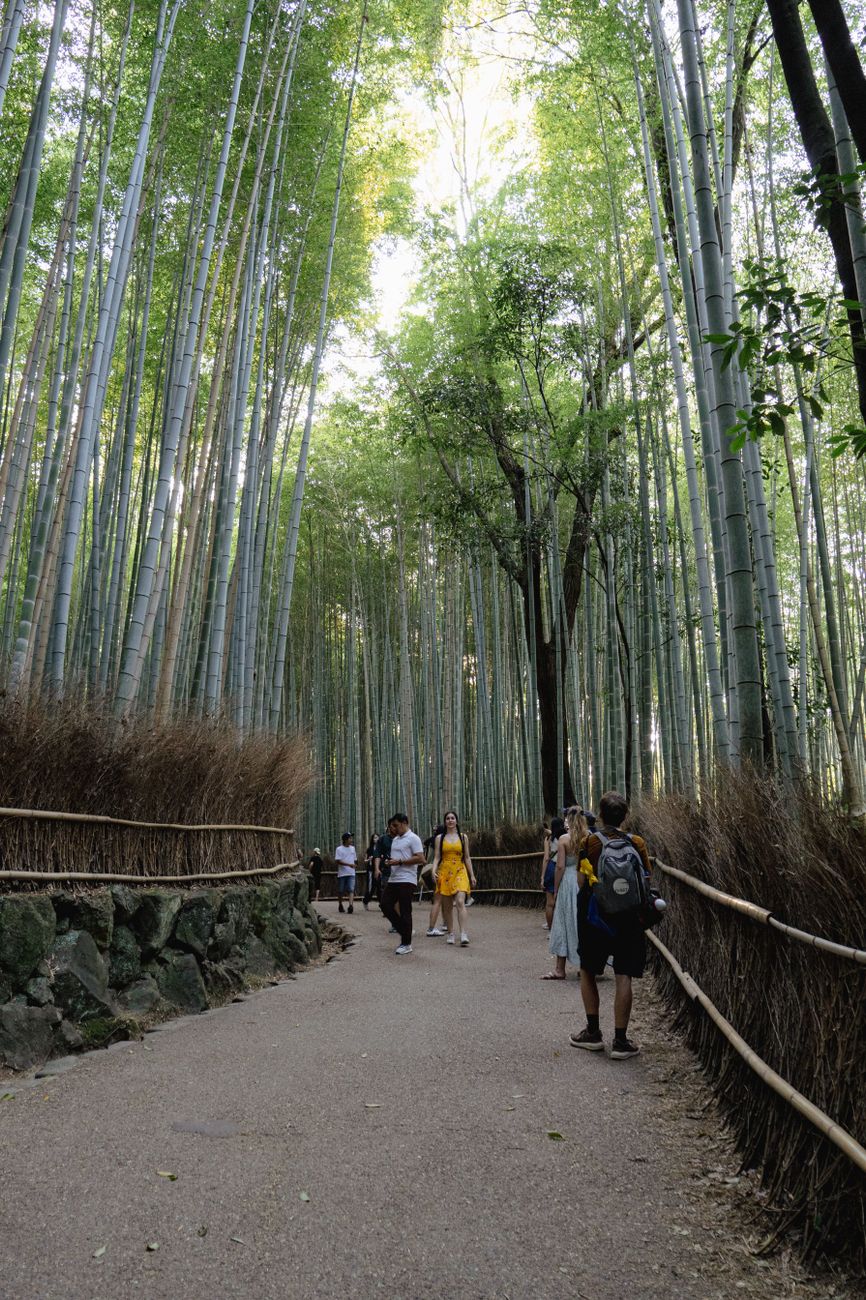
Kyoto is often spoken of as two distinct cities existing within the exact same geographic perimeter. One is the illuminated, hurried urban corridor familiar to quick-stop vacationers; the other is an ancient sanctuary of raked gravel courtyards, rain on wooden eaves, and morning mist drifting down from Mount Hiei.
To encounter the latter requires a deliberate calibration of one’s circadian rhythms. Before the first tour groups disembark near Gion, the northern district of Daitoku-ji reveals its quiet splendor. Here, twenty-two sub-temples stand quietly among aged pine groves. Walking along its shaded earthen walls at 6:30 AM, one hears little except the sweeps of a monk's bamboo broom and the resonant chime of an interior bronze bell.
"True discovery in Kyoto does not arrive by seeing more sites; it occurs by spending two hours observing rain touch a single stone basin."
The Art of the Dry Landscape Garden
Japanese rock gardens (karesansui) were never designed for aesthetic amusement. Created by Zen priests during the Muromachi period, these arrangements of boulders, white gravel, and moss served as cognitive tools for meditation. When visiting Ryōan-ji, rather than seeking the famous angle that captures all fifteen stones at once, consider visiting the lesser-known Zuihō-in. Here, the raked ripples evoke roaring sea surges, yet the courtyard itself remains profoundly quiet.
Mindful Etiquette for the Traveling Guest
As Kyoto encounters record global interest, traveling with intentional gentleness is paramount. Always remove shoes promptly when stepping onto raised wooden verandas, refrain from speaking in elevated tones inside temple sanctums, and never photograph geiko or maiko without explicit consent. When we honor the quiet grace of a community, its deeper beauty generously opens in return.